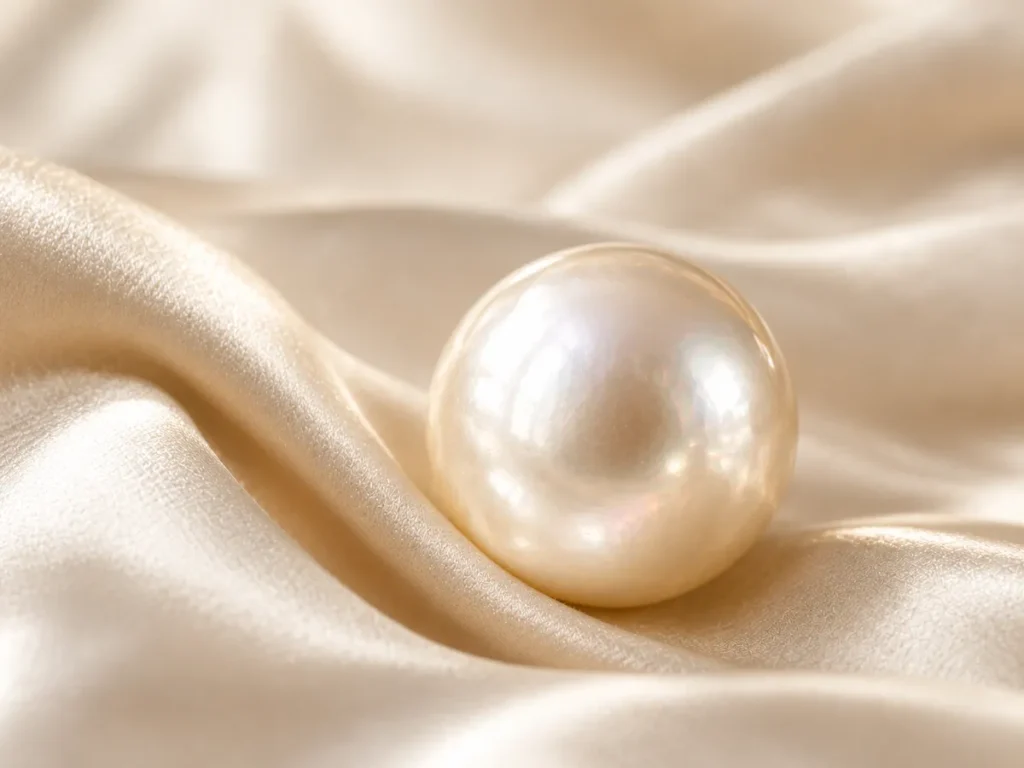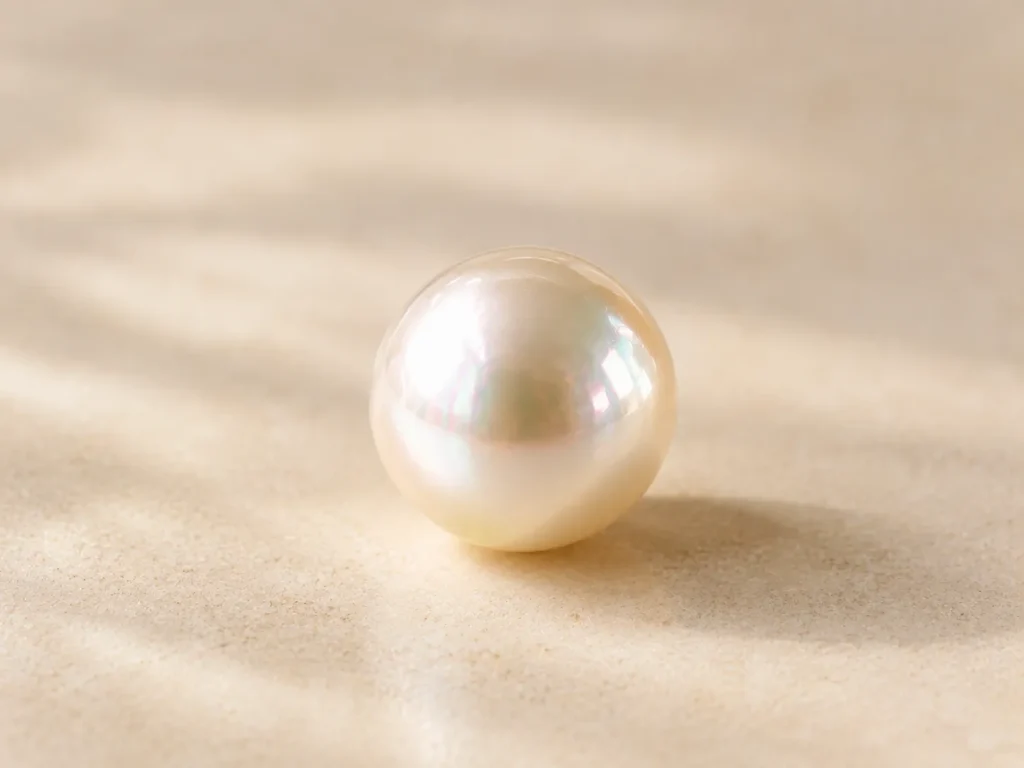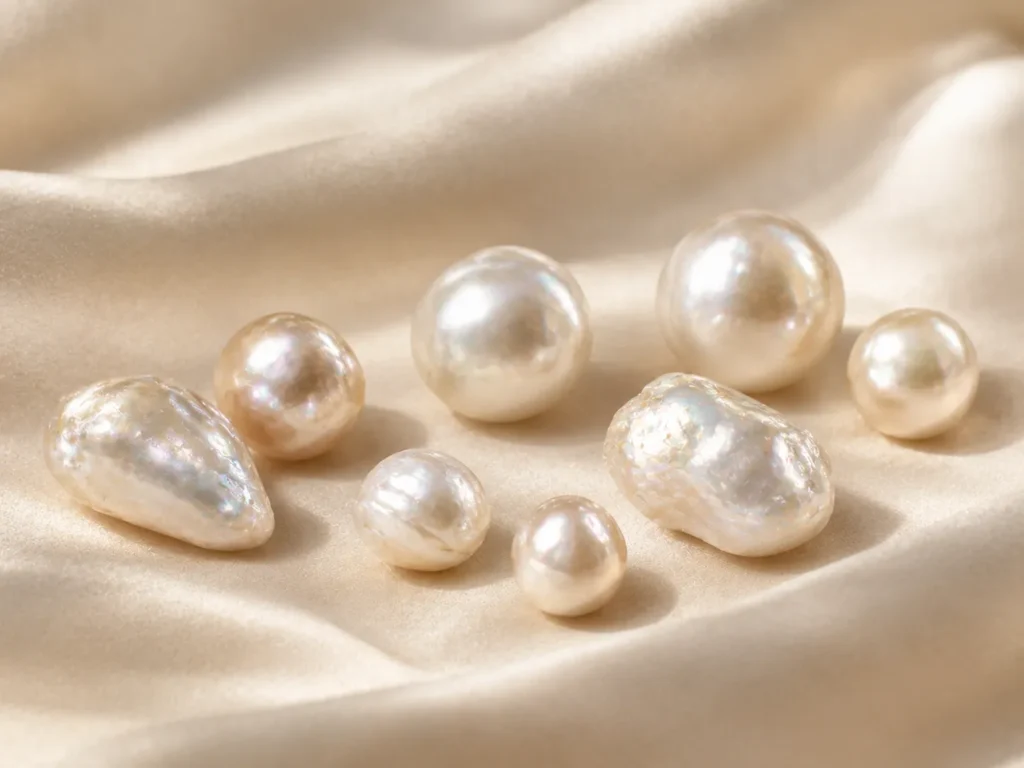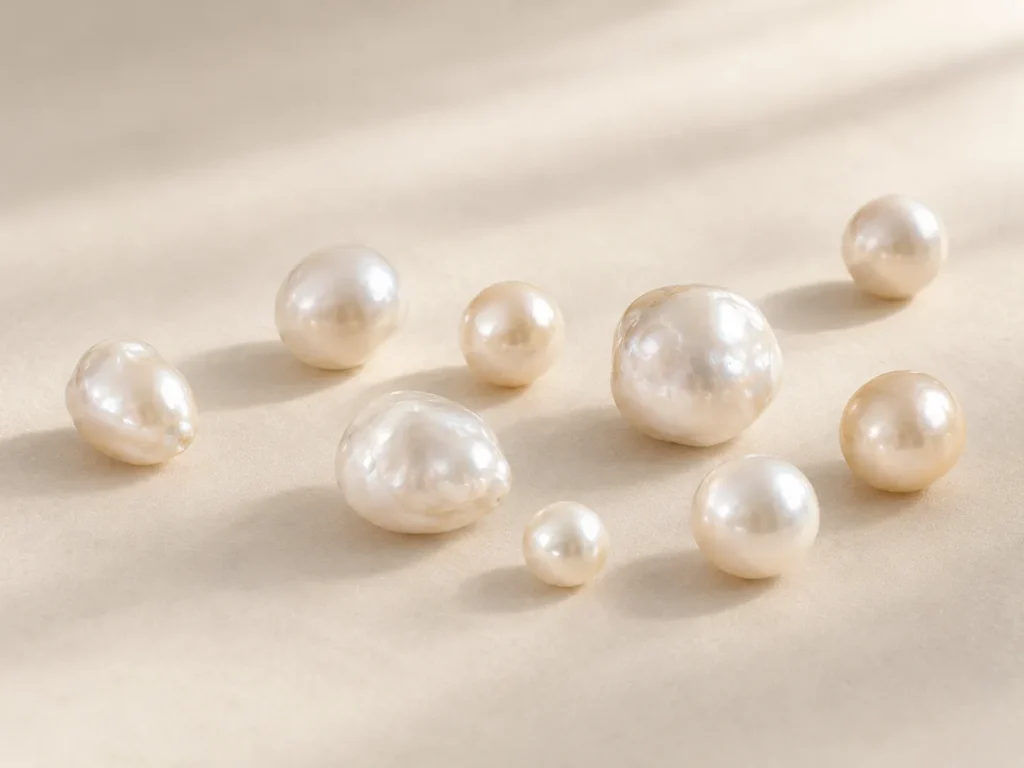
Pearls have been treasured for centuries, appearing in everything from heirloom jewelry to modern fine-jewelry collections. Their soft luster and natural elegance set them apart from many other precious materials. Yet one question often comes up when people begin learning about pearls: Are pearls real gemstones?
The answer is yes. Pearls are genuine gems, but they belong to a different category from diamonds, rubies, sapphires, and most other familiar gemstones. Rather than forming through geological processes deep within the Earth, pearls develop inside living mollusks. This is why they are known as organic gems.
Understanding this distinction helps explain what makes pearls unique, why they are valued in their own right, and how to appreciate their qualities when choosing pearl jewelry.
Are Pearls Considered Real Gemstones?
Yes, pearls are widely recognized as genuine gemstones and are used in fine jewelry around the world. The important distinction is that pearls are organic gemstones, meaning they are produced through biological processes rather than formed entirely through geological processes.
Most familiar gemstones, including diamonds, emeralds, and sapphires, originate from minerals. They form under specific geological conditions and are later brought closer to the Earth’s surface through natural processes.
Pearls develop differently. They form within certain mollusks, such as oysters and freshwater mussels, as layers of material accumulate around a developing pearl. These layers create the pearl’s characteristic surface and luster.
Although their origins differ, pearls have long held a place alongside mineral gemstones in jewelry and adornment. Their beauty, rarity, durability, and cultural significance have made them valuable in their own distinctive way.
Why Are Pearls Called Organic Gemstones?
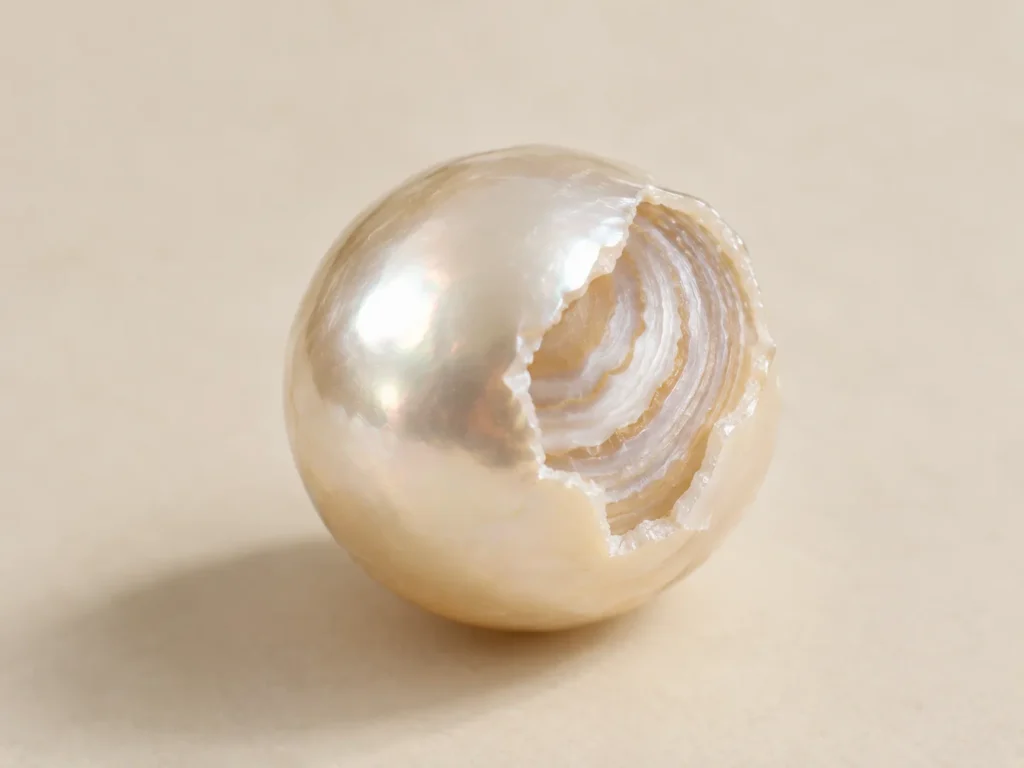
The word organic refers to a material that originates from a living organism. In gemology, organic gems are materials produced by or associated with living things.
Pearls belong to this group because they form inside living mollusks. Other familiar organic gem materials include amber, which comes from fossilized tree resin, and coral, which is formed by marine organisms.
Pearls are unusual even among organic gems because they develop through a process that creates a layered, lustrous structure. Much of a pearl’s appearance comes from nacre, the material deposited by certain mollusks during pearl formation.
Nacre consists mainly of microscopic aragonite crystals arranged within an organic matrix. The interaction of light with these layers contributes to the pearl’s distinctive glow and, in some pearls, subtle iridescent effects.
This structure is one reason pearls look different from faceted mineral gemstones. Rather than relying on sharp facets to reflect light, pearls are admired for the way light interacts with their surfaces and nacre.
How Do Pearls Form?
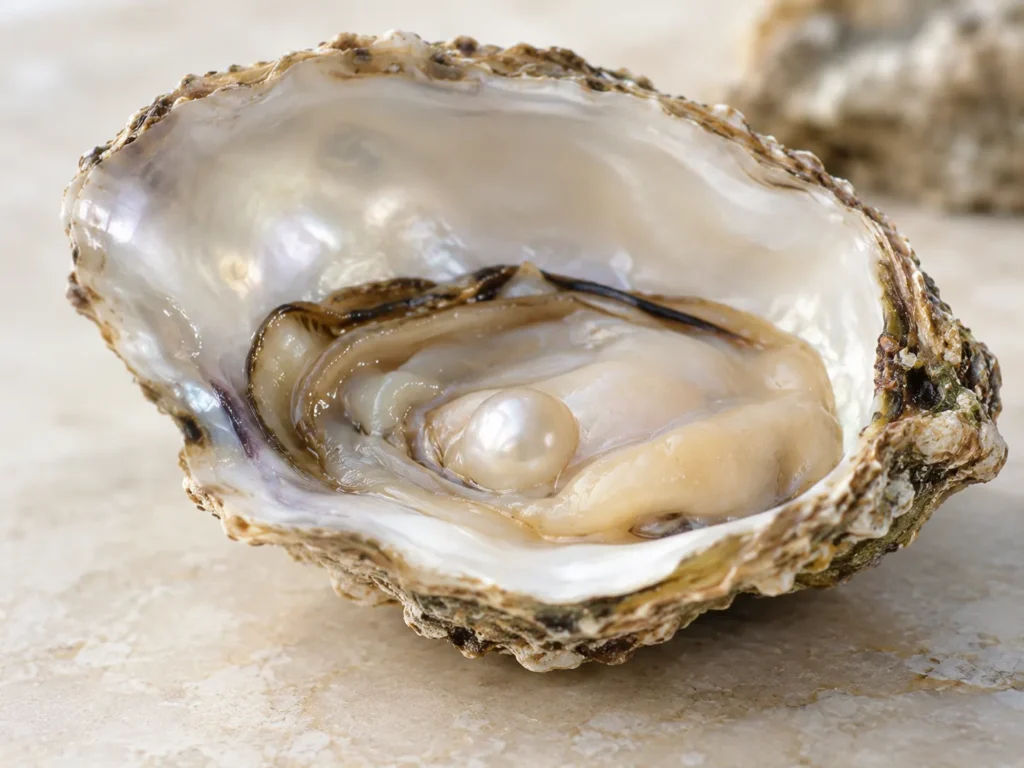
Pearls form inside certain oysters and mussels when a pearl-producing process begins within the mollusk. The animal deposits layers of material around a developing pearl structure, gradually creating the finished gem.
The exact process varies according to the species and the conditions in which the pearl grows. Some pearls form naturally without deliberate human intervention. Others are cultured, meaning people initiate the pearl-forming process, while the mollusk produces the pearl itself.
Both natural and cultured pearls are genuine pearls. The difference lies in how their formation begins, not in whether the pearl is real.
Over time, layers accumulate and influence the pearl’s shape, surface quality, color, and luster. Growth conditions and the characteristics of the mollusk also affect the final result.
If you would like to explore the process in more detail, read our guide to how pearls are formed.
How Are Pearls Different From Mineral Gemstones?
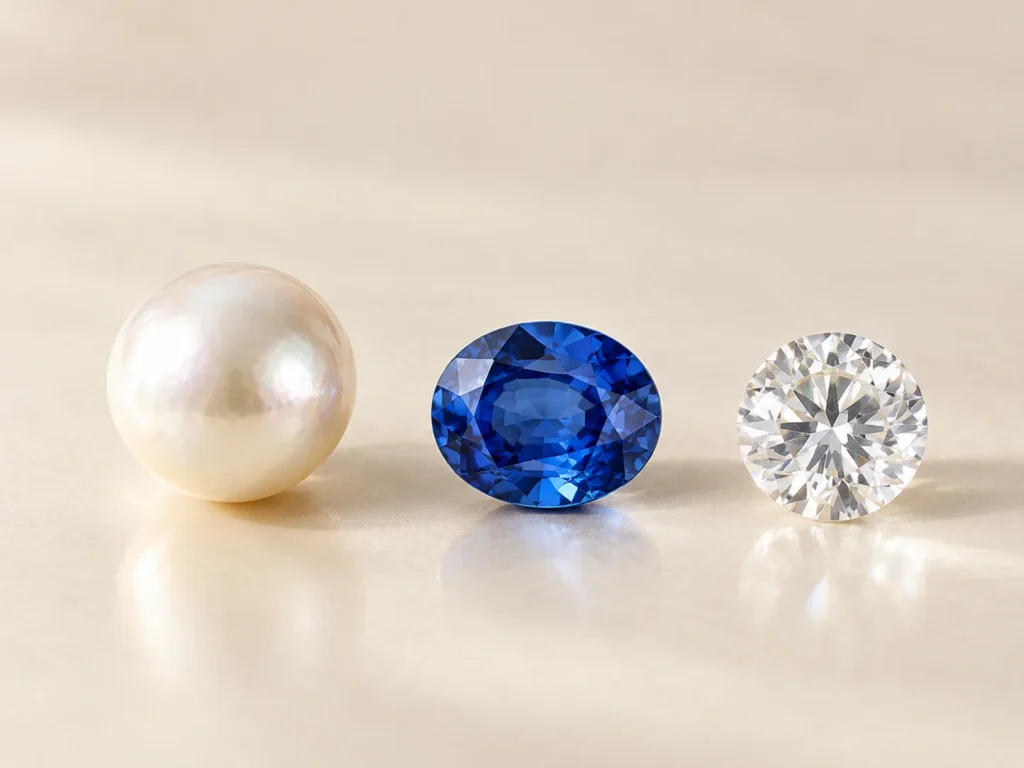
Pearls and mineral gemstones are both valued in jewelry, but they differ in origin, structure, appearance, and care requirements.
1. Origin
Mineral gemstones form through geological processes. Depending on the gem, these may involve heat, pressure, mineral-rich fluids, or crystallization over long periods.
Pearls form inside living mollusks. Their growth depends on biological processes and the conditions in which the mollusk lives.
2. Structure
Many mineral gemstones have a crystalline structure. Their optical properties depend on factors such as chemical composition, crystal structure, transparency, and how they are cut.
Pearls have a layered structure built largely from nacre and organic material. This structure contributes to their characteristic luster and surface appearance.
3. Appearance
Mineral gemstones may be valued for brilliance, transparency, color saturation, or optical effects. Faceting is often used to enhance the way they interact with light.
Pearls are usually appreciated for luster, surface quality, color, shape, and the quality of their nacre. Their beauty is often softer and more diffuse, although the appearance of pearls varies considerably by type and quality.
4. Care
Many common mineral gemstones can tolerate more vigorous cleaning than pearls, although care requirements differ from one gemstone to another.
Pearls are comparatively delicate. Their surfaces can be damaged by chemicals, abrasive materials, and improper handling. Perfume, hairspray, household cleaners, and other substances should be kept away from pearl jewelry whenever possible.
After wearing pearls, gently wipe them with a soft cloth. Store them separately from harder jewelry to reduce the risk of scratches.
Are Natural and Cultured Pearls Both Real Gemstones?
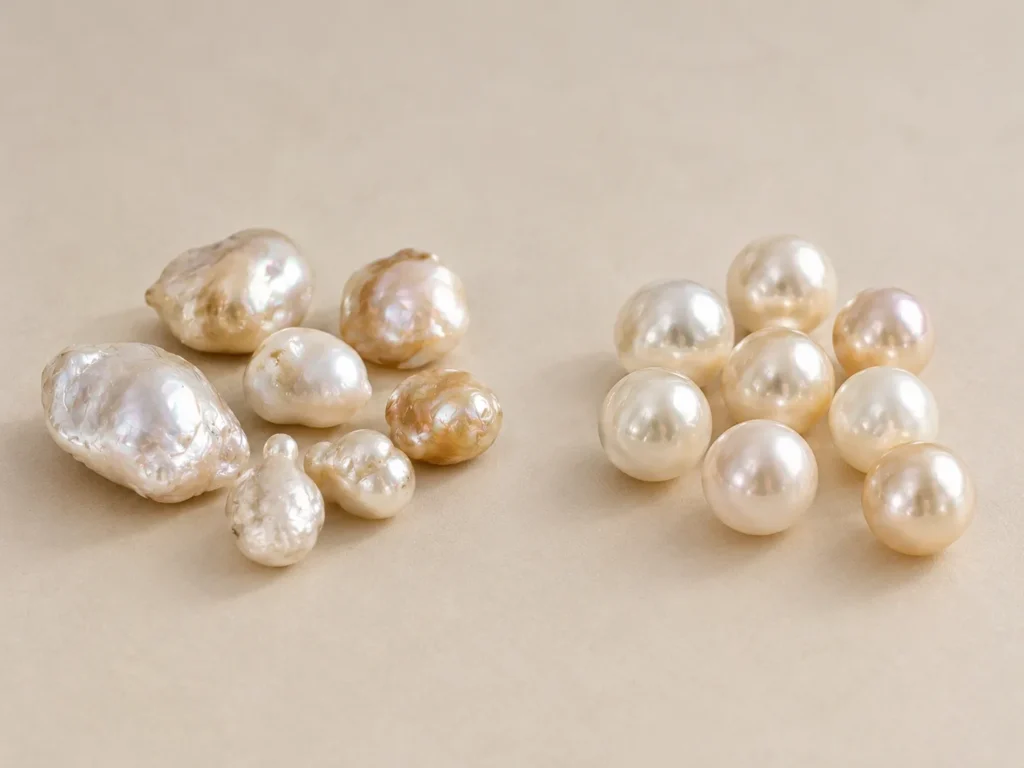
Yes. Both natural and cultured pearls are real pearls and are recognized as organic gems.
Natural pearls form without deliberate human intervention to initiate their development. They are relatively rare, particularly when they possess the size, shape, luster, and surface quality desired for fine jewelry.
Cultured pearls form after people deliberately initiate the pearl-producing process. The mollusk then produces the pearl through its own biological activity. Culturing makes pearl production more practical and allows a wider range of pearls to reach the jewelry market.
The word cultured does not mean artificial. A cultured pearl is not simply a manufactured imitation; it is formed by a living mollusk.
Imitation pearls are different. They are manufactured to resemble real pearls and may be made from glass, plastic, or other materials. They do not form inside a pearl-producing mollusk.
For a closer comparison of their origins, rarity, and value, read our guide to natural pearls vs. cultured pearls.
What Makes Pearls Valuable?
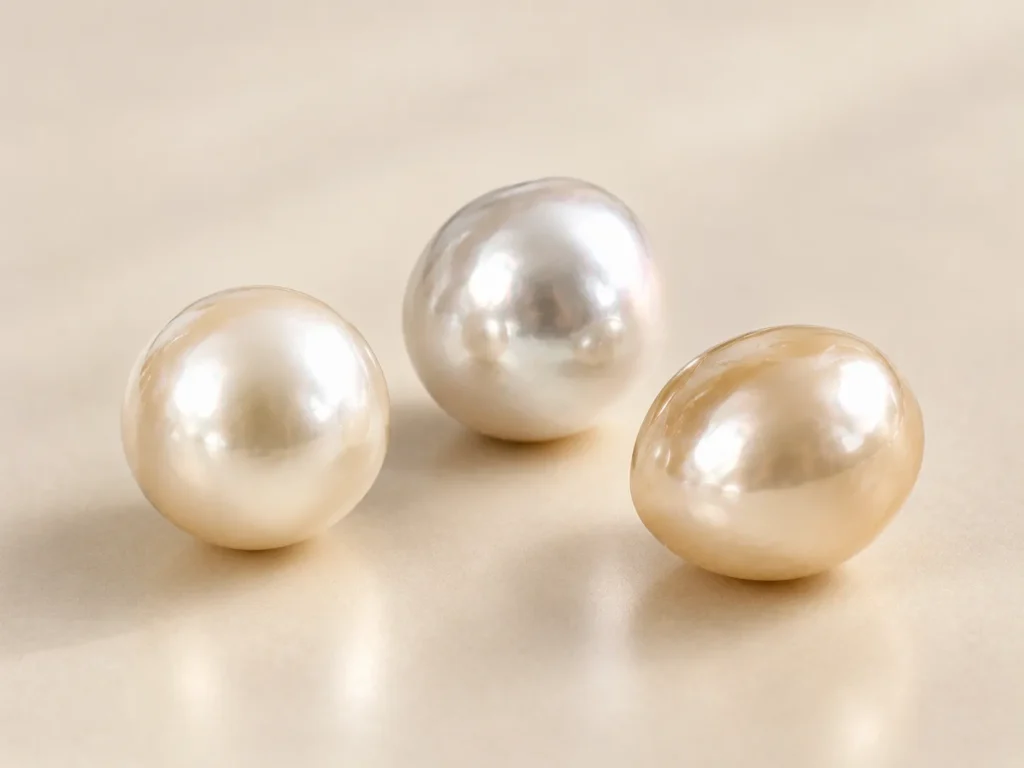
Being a genuine gemstone does not automatically determine a pearl’s price. Pearl value depends on a combination of quality factors, rarity, type, and market demand.
Luster
Luster is one of the most important qualities to assess. It describes the way light reflects from the pearl’s surface and interacts with its nacre. A pearl with strong, clear luster often appears bright and lively, while weak luster can make it look dull.
Surface Quality
Pearls may have natural surface characteristics, including small marks, pits, or irregularities. The number, size, visibility, and location of these features can influence a pearl’s overall appearance and value.
A perfectly flawless surface is not the only sign of a valuable pearl, but fewer noticeable blemishes are generally preferred when other qualities are comparable.
Shape
Round pearls are widely sought after, especially for classic pearl strands. However, near-round, oval, drop-shaped, and baroque pearls can also be desirable. Their value depends on their overall quality, type, and the preferences of the market.
Size
Larger pearls are often rarer than smaller pearls of the same type and comparable quality. Size alone, however, does not determine value. A smaller pearl with excellent luster and surface quality may be more desirable than a larger pearl with weaker visual qualities.
Color and Overtone
Pearls occur in a range of colors, including white, cream, pink, silver, gold, and dark tones. Some also display subtle overtones that influence their appearance.
The most desirable color depends on the pearl type, quality, fashion, and buyer preference. There is no single color that makes every pearl more valuable than all others.
Pearl Type and Rarity
Freshwater, Akoya, Tahitian, and South Sea pearls differ in their producing mollusks, growing environments, typical appearance, and market positioning. Natural pearls are generally much rarer than cultured pearls, but value still depends on the individual pearl and the market in which it is sold.
In other words, a pearl’s value comes from the combination of its characteristics rather than from the simple fact that it is a gemstone.
Learn more about pearl quality to understand how luster, surface condition, shape, size, and color influence a pearl’s overall appeal and value.
Are Pearls Precious or Semi-Precious Gemstones?
Pearls are often discussed alongside precious and semi-precious gemstones, but these labels can be misleading.
Traditionally, diamonds, rubies, sapphires, and emeralds have been grouped as precious gemstones, while many other gems have been described as semi-precious. This historical distinction is not a reliable measure of beauty, quality, rarity, or value.
Pearls are generally classified separately as organic gems rather than being neatly placed into the traditional precious-versus-semi-precious categories.
A high-quality pearl can be highly valuable, while a lower-quality pearl may be relatively affordable. The same principle applies across many gemstone categories: the material’s name alone does not determine its worth.
When evaluating pearls, it is more useful to consider their type, luster, surface quality, shape, size, color, and whether they are natural or cultured.
Are Pearls More Delicate Than Other Gemstones?
Pearls generally require more careful handling than many commonly worn mineral gemstones. Their beauty depends on their layered nacre structure, and their surfaces can be vulnerable to scratches, chemicals, and excessive heat.
This does not mean pearls are unsuitable for regular wear. With appropriate care, pearl jewelry can be enjoyed for many years.
To help protect pearls:
- Put pearl jewelry on after applying perfume, hairspray, cosmetics, and skincare products.
- Wipe pearls gently with a soft, clean cloth after wearing them.
- Avoid household cleaners, abrasive cloths, and ultrasonic jewelry cleaners unless a qualified professional has confirmed that a specific treatment is appropriate.
- Store pearls separately from harder gemstones and metal jewelry.
- Keep them away from prolonged heat and very dry conditions.
Pearls should also be checked periodically if they are set in jewelry or strung on a necklace, especially when worn frequently.
How Can You Tell Whether a Pearl Is Real?
Appearance alone cannot always establish whether a pearl is genuine. Natural and cultured pearls can both have beautiful luster, while imitation pearls may be designed to look convincing.
A pearl’s surface, weight, drill hole, and overall appearance may provide clues, but no single visual test can reliably identify every pearl or establish whether it is natural or cultured.
For valuable pearls, a qualified gemologist or reputable gemological laboratory can provide a more reliable assessment. Appropriate testing may help distinguish natural pearls, cultured pearls, and imitations, depending on the pearl and the examination methods used.
Be cautious of claims that a pearl must be natural simply because it is expensive, unusually shaped, or described as rare. Clear documentation and independent assessment are more useful when authenticity and origin matter.
Frequently Asked Questions
Are pearls real gemstones or just organic materials?
Pearls are both organic materials and genuine gemstones. Their biological origin places them in the organic-gem category, distinguishing them from gemstones formed primarily through geological processes.
Are cultured pearls real gemstones?
Yes. Cultured pearls are genuine pearls formed by living mollusks after people initiate the pearl-producing process. They are not the same as imitation pearls.
Are pearls minerals?
No. Pearls are not classified as minerals in the same way as diamonds, sapphires, or quartz. They contain mineral components, including aragonite, combined with organic material in a layered structure.
Are pearls more valuable than diamonds?
Not generally. Diamonds and pearls have different qualities, markets, and grading considerations. Some pearls are exceptionally valuable, but price depends on the specific gem, its quality, rarity, and market demand.
Can pearls be worn every day?
Yes, provided they are treated with care. Pearls are suitable for regular wear, but they should be protected from chemicals, abrasive surfaces, and rough handling.
Are imitation pearls considered gemstones?
No. Imitation pearls are manufactured materials designed to resemble genuine pearls. They may be attractive jewelry components, but they are not organic gemstones.
Final Thoughts
So, are pearls real gemstones? Absolutely. They are genuine organic gems, formed through biological processes inside living mollusks rather than through the geological processes that create most mineral gemstones.
Their distinctive nacre, natural luster, range of colors, and varied shapes give pearls a character unlike that of other gems. Natural and cultured pearls are both genuine, although their origins, rarity, and market values can differ considerably.
Understanding what makes pearls unique is a useful first step toward appreciating their beauty and choosing them with confidence. Whether you are learning about pearl formation, comparing different pearl types, or considering a piece of pearl jewelry, knowing the science behind these gems makes their appeal even more meaningful.
If you would like to explore the main varieties in more detail, read our guide to the different types of pearls.